What the customer needed
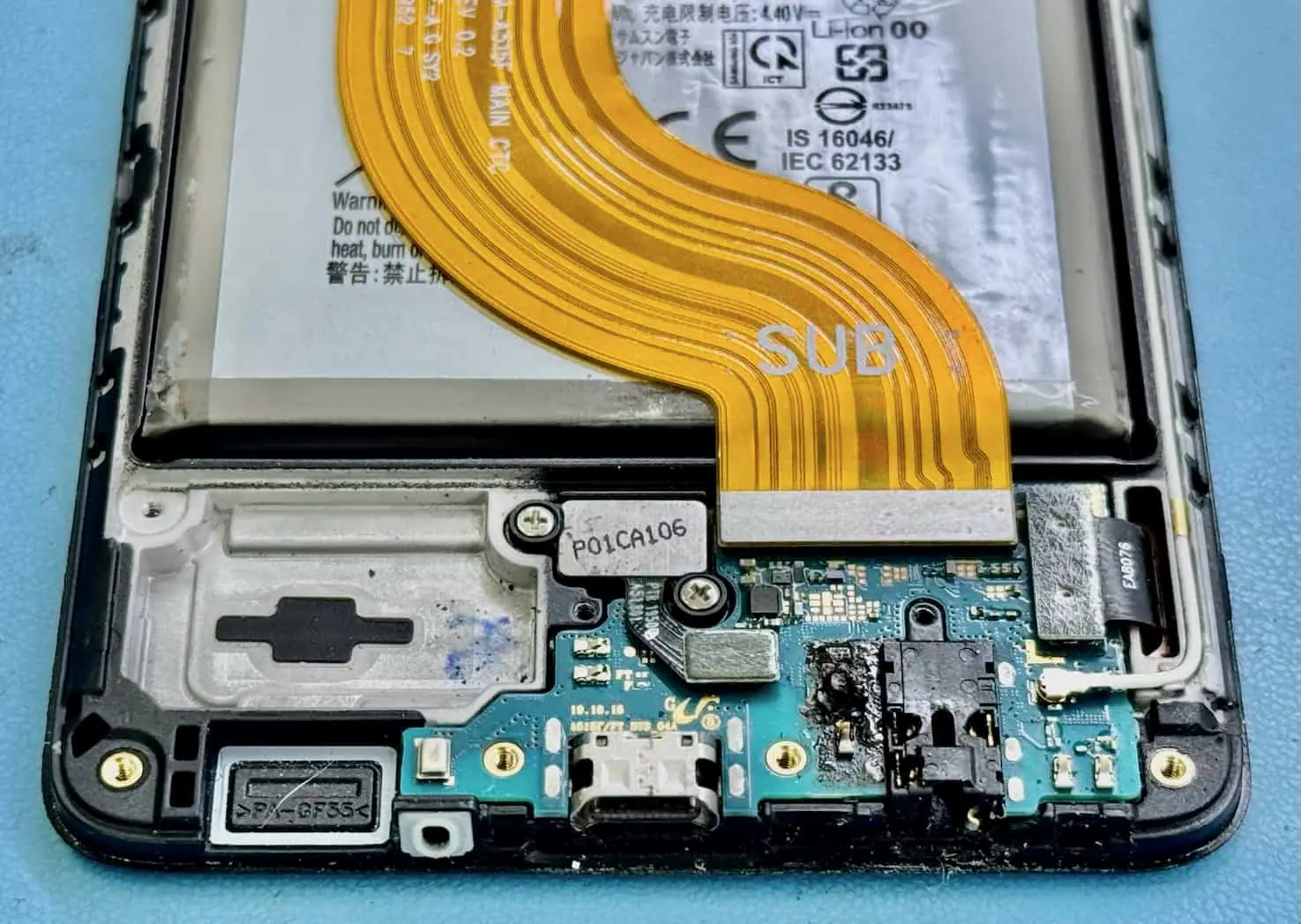
The Pixel contained more than 40 GB that the customer could not reach. The handset had been exposed to liquid, had overheated and no longer switched on. It had also been taken to another repairer without a successful result. By the time it reached the bench, the goal was not a cosmetic phone repair; it was controlled access to the original data.
Why the original board mattered
Modern Android phones encrypt their internal storage. Removing a memory package and reading it in isolation is not the simple shortcut it can appear to be. The practical recovery target was therefore the customer’s original logic board, processor and storage relationship.
That made the earlier intervention relevant. Before applying power, the board needed to be assessed for liquid-related damage and for anything that may have changed during the first attempt.
The recovery path
The job record describes board-level repair and a battery replacement. The purpose was to establish stable operation, not to promise that the phone would become a dependable everyday device. Once the handset could run, the data was copied to external flash storage.
The recovery took about ten days and the historical charge was £350. A different liquid-damaged phone may need substantially different work, particularly where corrosion has progressed or the original security components are damaged.
The result
More than 40 GB was recovered. The important outcome was not merely that the display lit up; it was that the original device remained stable for long enough to produce a separate, usable copy.
What this case teaches
After liquid exposure, repeated charging and power-on attempts can extend the damage. Switch the phone off, do not put it in rice and do not authorise a reset or board replacement when the data is the priority. Tell the laboratory about every earlier repair attempt because that history changes the diagnosis.